‘Bee Happy’: follow-up

Posted by LindaB on Monday, November 2, 2009

Earlier in the year I posted about some strange behavior seen by European honeybees on one particularly fecund seedling in the FRCC test plot. They seemed to be trying to pry sepals apart to get to the nectary chamber, formerly only accessed by hummingbirds.

They succeeded!

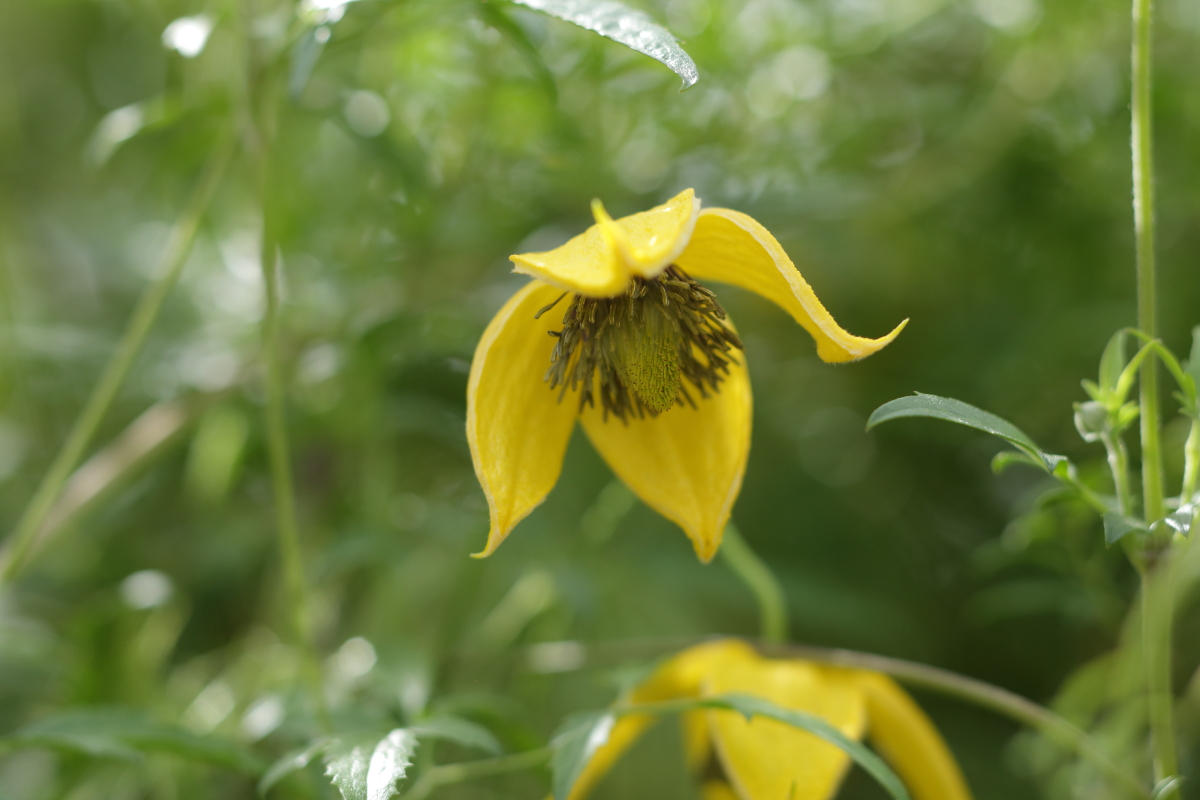
After working and working, tag-teams of the bees managed to separate the sepals at the broadest diameter of the flowers, as shown in the first picture, and get at the nectar. The opening shows the visible bruising consistent with the forcing apart of the sepals. Keep in mind that bees exploiting the blossoms this way are not pollinating the flower, because they have no contact with the anthers. Free-loaders!

Clematis 'BeeHappy'

No native bees have been seen engaging in this activity, and the hummingbirds (both Anna’s and Rufous hummingbirds) continue to pollinate the flowers until the bees have cracked the sepals apart on a given flower. The hummingbirds move on to newly opened flowers, and cease pollinating the flowers disfigured by the bees. And unfortunately, once the bees mastered the skill of opening this shape of clematis blossom, they applied their lessons to ‘Fudo’ and other Viornae group hybrids. Yes, they’re quick learners, I’ll give ‘em that!

Clematis 'BeeHappy'

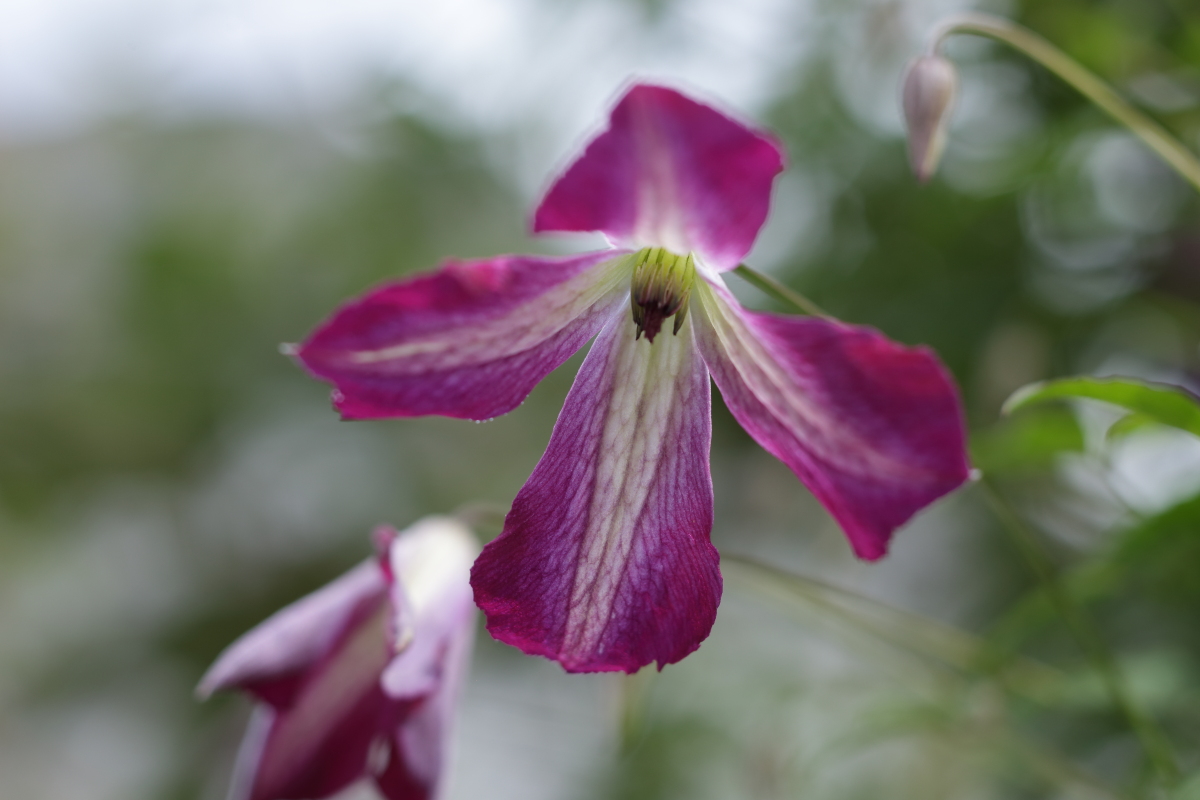
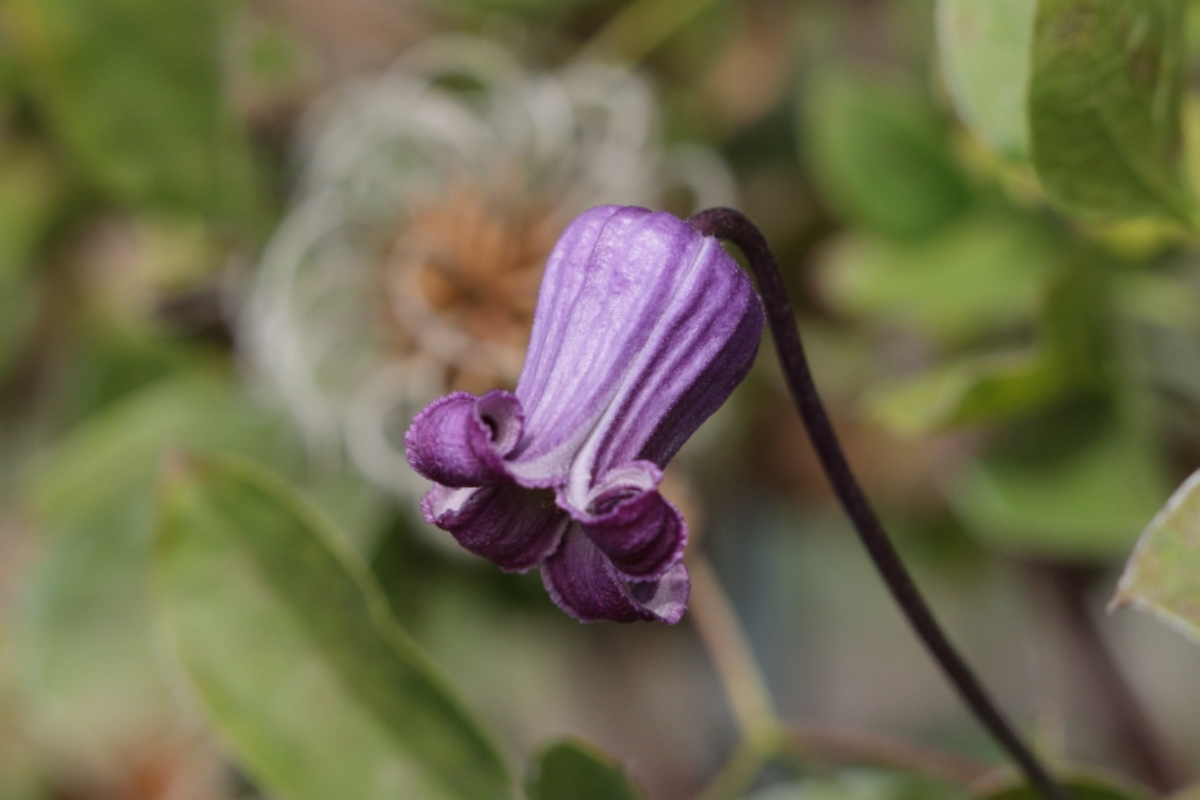
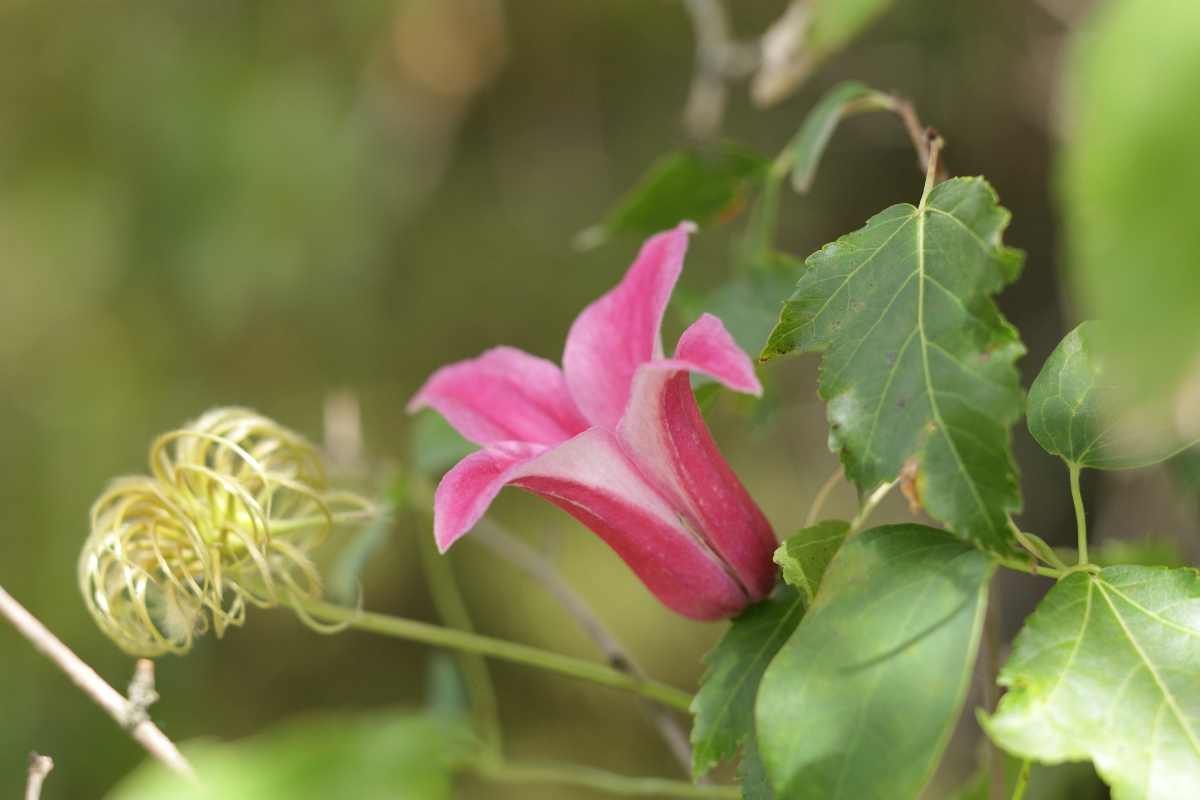
This “tutorial” seedling, which showed great vigor and stamina, has been named ‘Bee Happy’. We will be propagating it for sale. The flowers, in the typical “bonnet” shape, are rosy-mauve in color, with the exterior fading to silver as the flowers age. We assume it to be a pitcheri x crispa cross, and it is lightly fragrant, but shows no crispate edges. We’ll be sending more details to Clematis on the Web, and will be registering the name with the RHS clematis registrar.

Birds do it, not bees!

Posted by LindaB on Wednesday, September 2, 2009

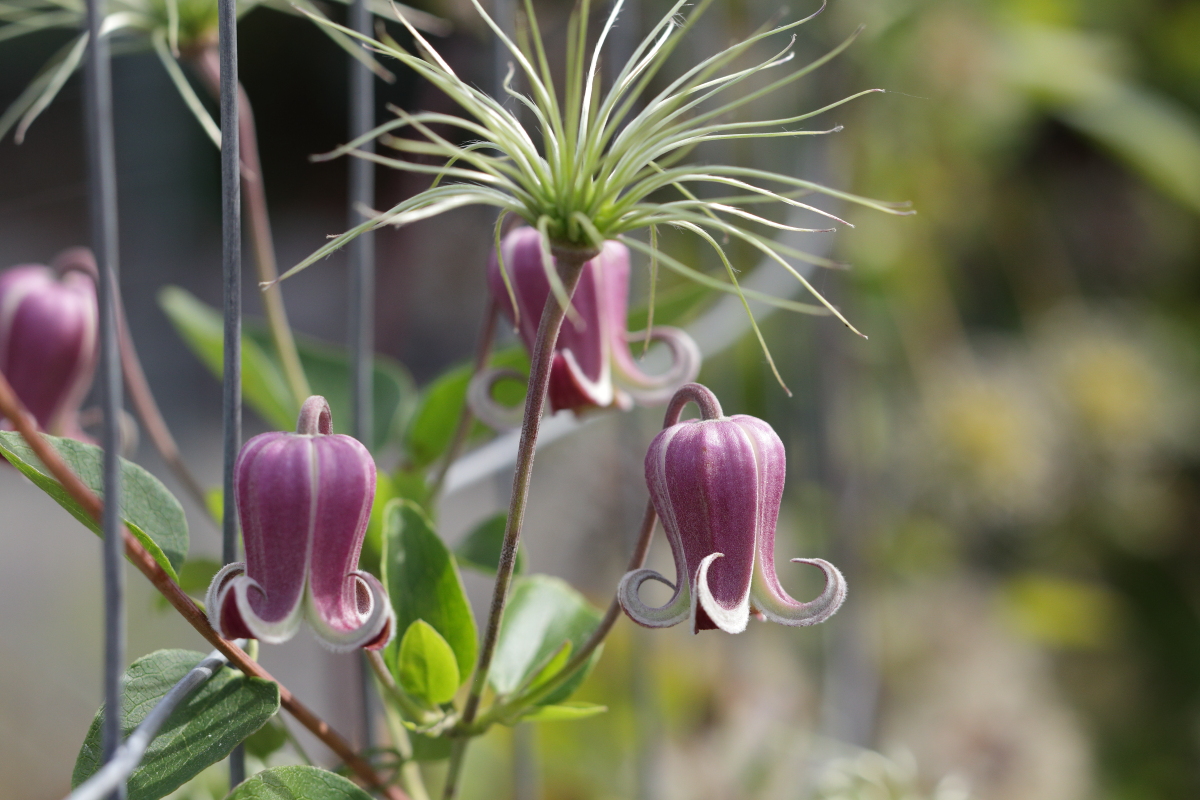
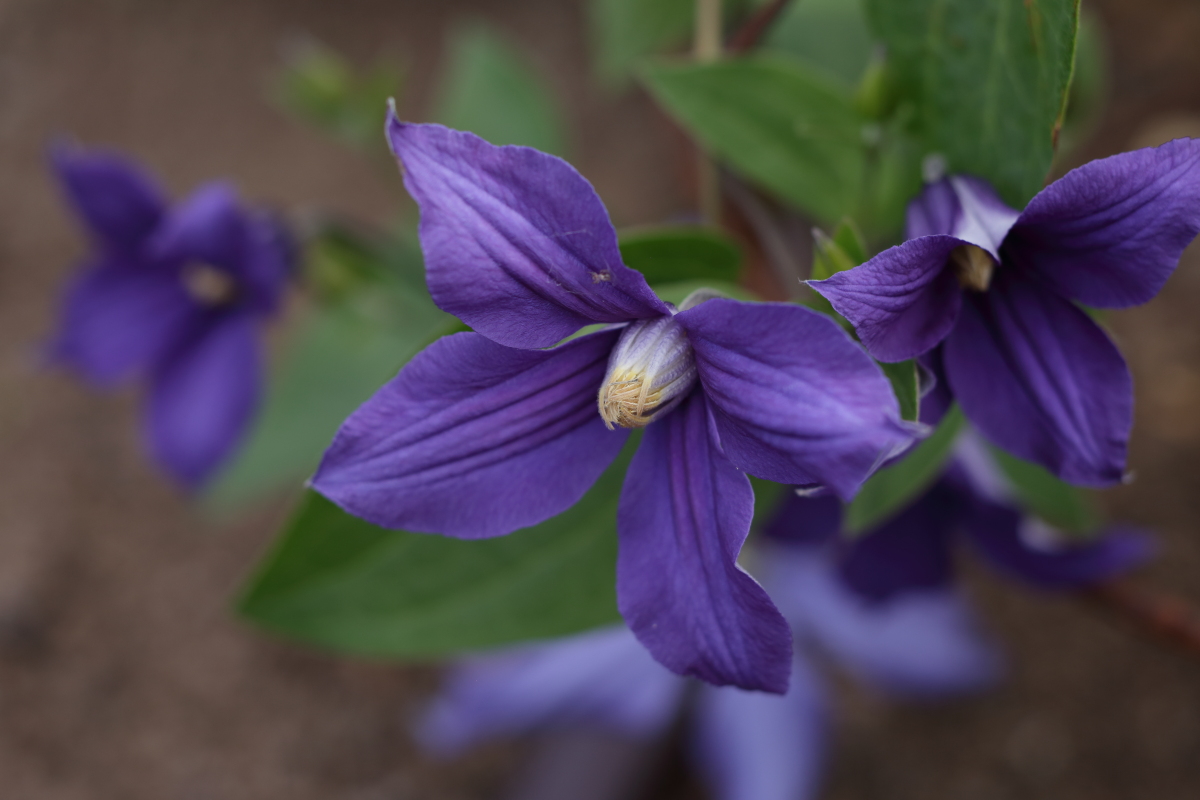
The American species in the clematis Viornae Group are pollinated by hummingbirds. These New World birds, with their long bills and tongues, have no trouble piercing the dense plug of pollen-bearing stamens (and pistols) that jam the opening of the urn-shaped blooms like those of the seedling pictured here. They easily reach the nectary chamber at the base of the filaments, and indeed, a pair of Anna’s Hummingbirds hang around the test plot, feeding on the Viornae seedlings we are evaluating. As they feed, their beaks and foreheads are liberally dusted with pollen. At Luscher Farm we are blessed with healthy populations of European honeybees, but they are completely flummoxed by this group of clematis.

The bees seem to know there is nectar in these blossoms, but there isn’t room for them to crawl up into the flower—the bees are too big, and the stamens too tightly packed. Undaunted, the bees attempted to separate the seams between the sepals, using forelegs and mouth parts to try to pry an opening to access the nectar. I watched their efforts for about 10 minutes before realizing I should be taking pictures! During the time I observed the honeybees, I didn’t see any of them succeed in opening the sepal edges, and was surprised that the bees would expend so much energy trying. A couple of rows away, native bumblebees were feasting on a Clematis macropetala seedling’s flowers (the same plant that Killdeer’s nested under a year ago), an open bell much easier to navigate in, and a flower not exploited by the hummingbirds.

Why would so many non-native bees be trying so hard to crack these clematis blooms? I did detect a slight fragrance, but there are many easier plants to drink from nearby. If these bees are ever successful at opening clematis in this nontraditional way, I’ll let you know.

A Birth Announcement

Posted by LindaB on Thursday, May 22, 2008

It isn’t everyday that a public garden gets to issue a birth announcement, but today is our day! FRCC is happy to announce the hatching of three Killdeers, born under a Clematis macropetala seedling in our test plot. Ours is one of 160 community garden plots offered by the City of Lake Oswego at Luscher Farm, where the rest of the Rogerson Clematis Collection grows. Every year, usually at several places in the community gardens, Killdeers, our constant companions year-round, find nesting sites, usually right in the middle of a path, or atop a freshly turned vegetable plot.

This is the first year the birds have chosen to nest in a more secluded spot, right under one of our clematis—classier by far than the other Killdeers. When last I weeded the test plot, a Killdeer pair, famous for trying to distract interlopers with the old broken-wing decoy trick, came unglued as I worked around the plot, but I couldn’t find the eggs. Two days later, LO farm manager Karen Davis let me know she had marked the nest site with pink flags. Of course this meant that we couldn’t continue weeding and staking our seedling clematis there, nor photographing and evaluating the atragene seedlings.

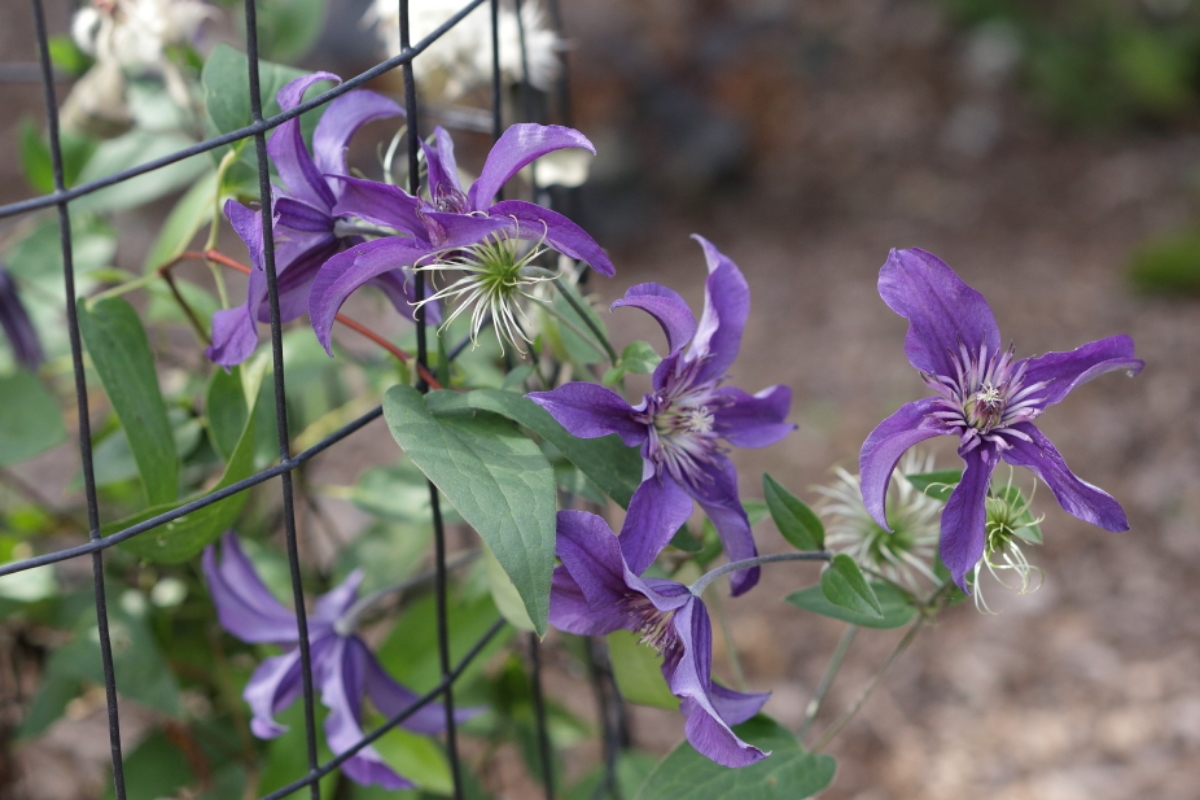
This evening, when I went to photograph the nest, the eggs were gone! Sitting about two feet away, out in the open on the warm mulch, sat the three babies. While their parents lured my husband away, I took these photos of the triplets, the now empty nest, and their handsome near neighbor, ‘Esprit’, FRCC’s atragene introduction. A specimen of ‘Esprit’ will be available at a silent auction FRCC is holding at Farmington Gardens this summer, on July 19th (more on this event in a few days). The ‘Duchess of Waverly’ will be there, too.

Killdeers mature quickly, and soon these youngsters will be up and running along amongst the clematis with their parents, learning to eat bugs. And now we can get back to work amongst the test plot plants, getting the Viornae seedlings staked, and admiring our C. integrifolia introduction, ‘Skylark’, which is just a few days from blooming.

Enjoy your gardens!
Linda Beutler, FRCC curator