Installation of the Farmhouse Garden

Posted by LindaB on Monday, October 23, 2006

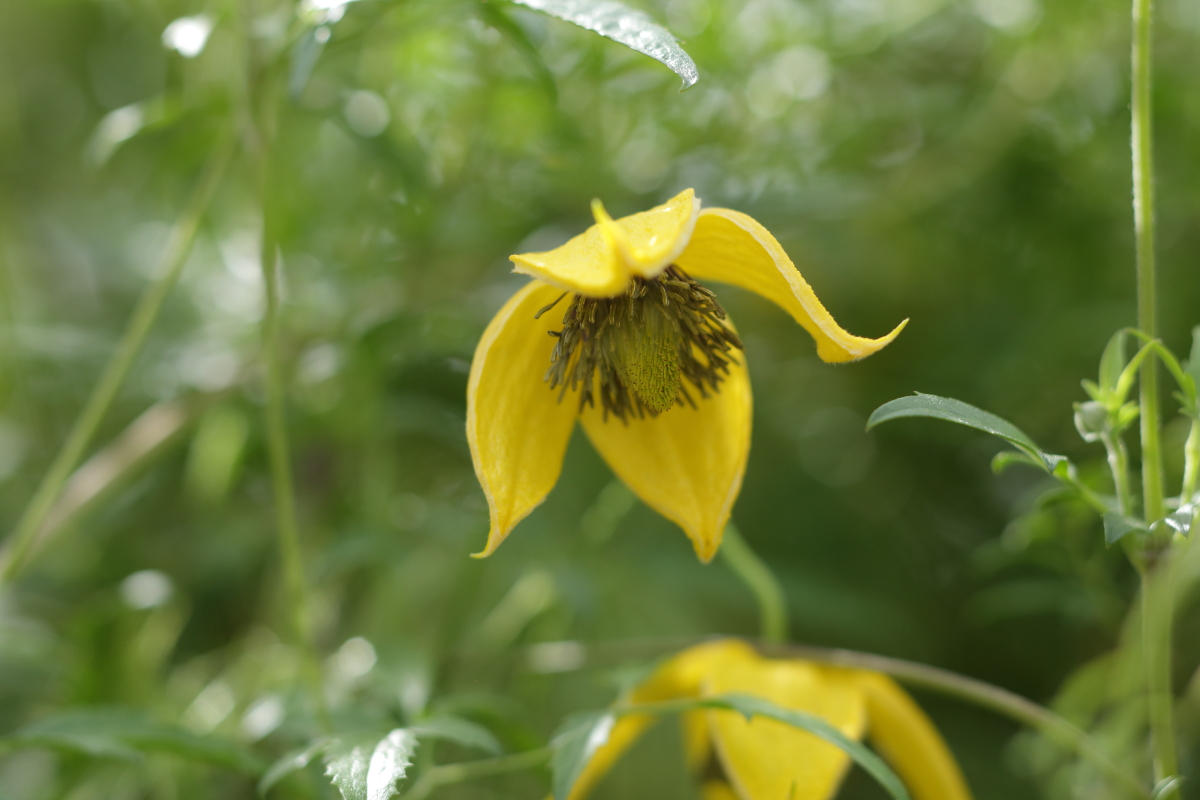
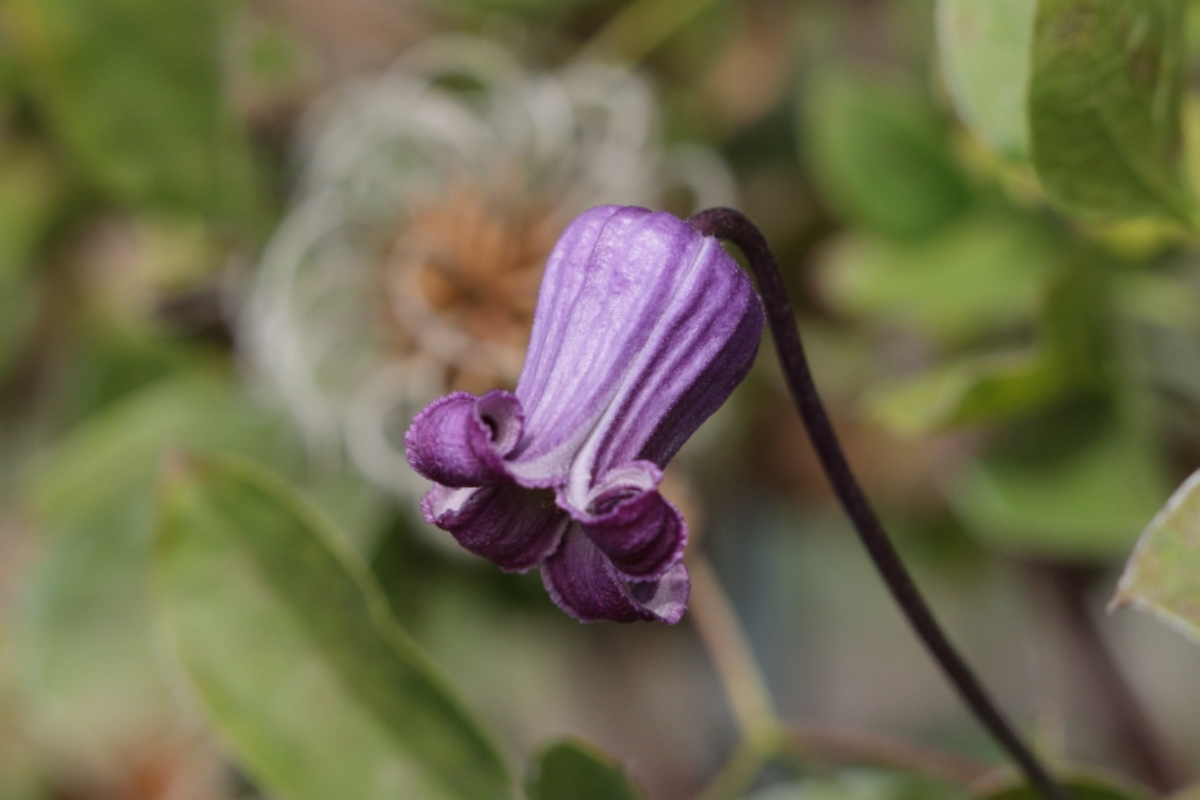
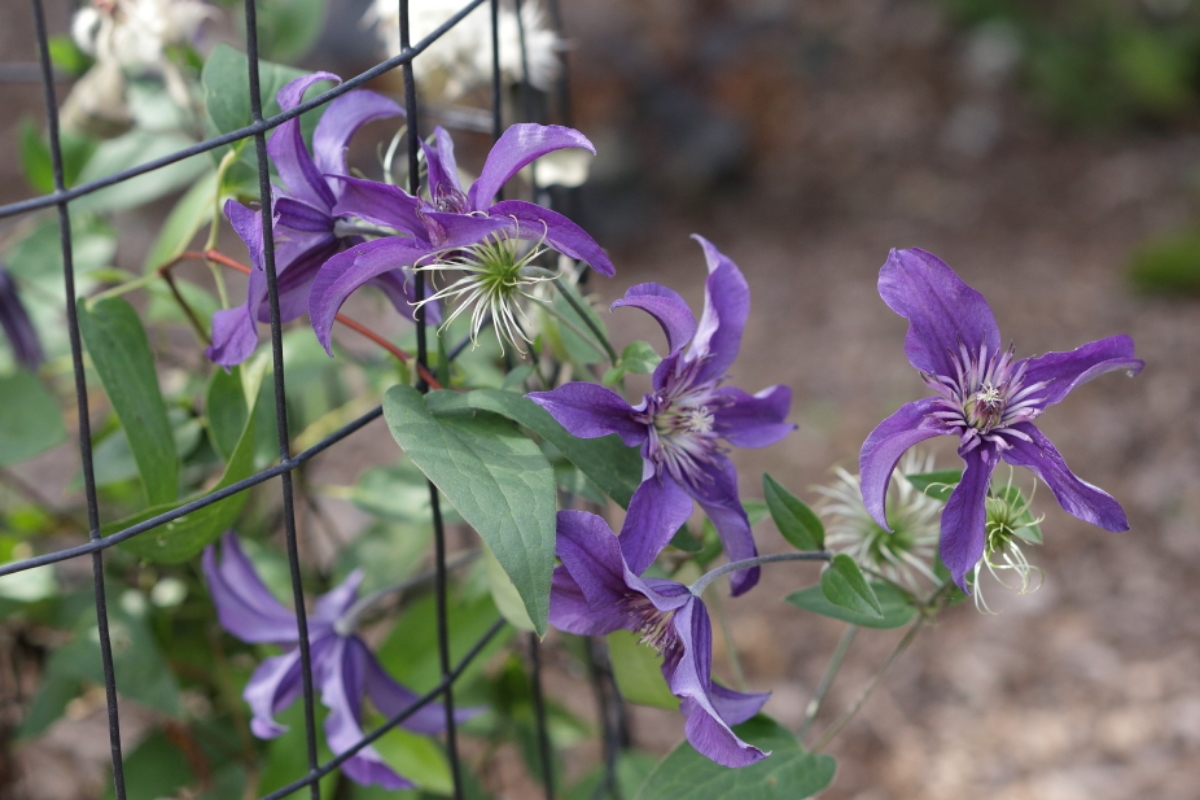
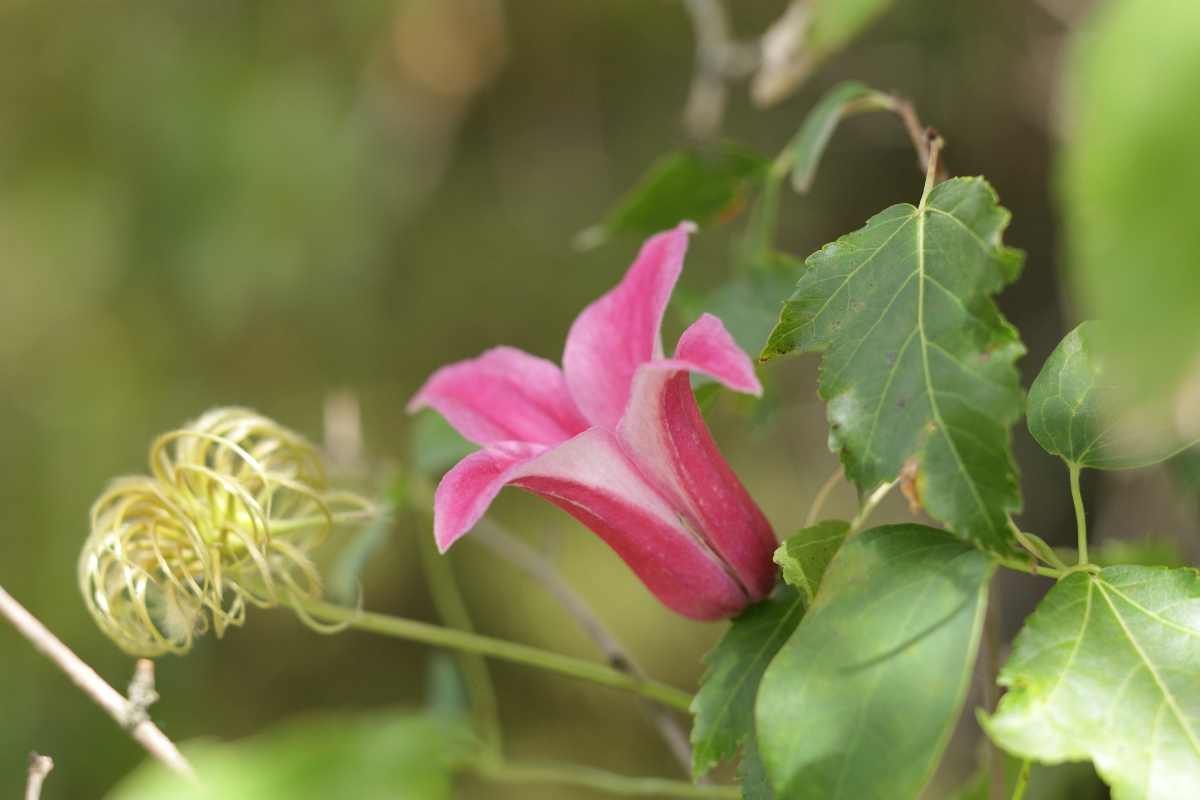
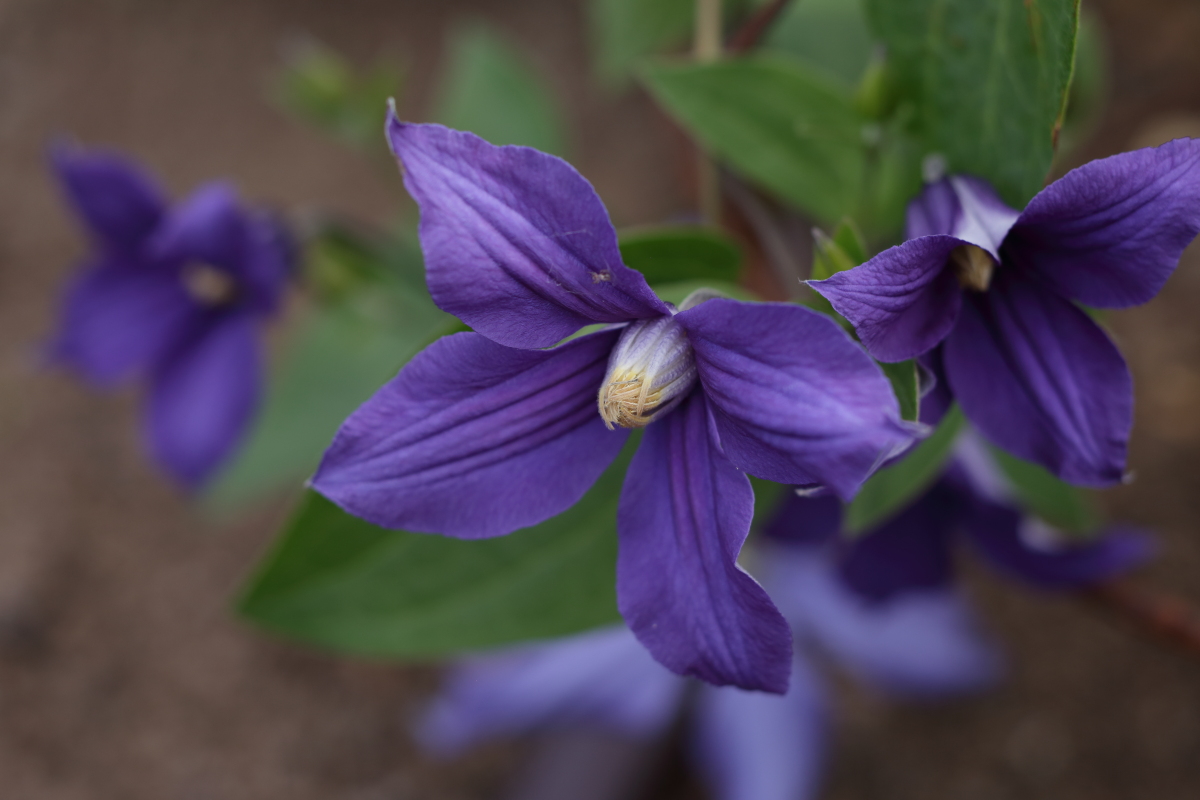
It took a year to plan it, and only one day to plant it, but at last the Historic Garden encircling the 100+ year old Luscher Farm house is a reality. Today, October 21, 2006, saw the planting of 65 clematis (all introduced to cultivation up to 1920 to WWI), 18+ roses of the same vintage, plus numerous young shrubs, ferns and herbaceous perennials, all types of plants that could have been available to the first generation to live at the farm, had they been hort-a-holics. Peonies, iris, daffodils, and shasta daisies rescued from pathway construction were reinstated.

As we were working, we were visited often by Karen Davis, the City of Lake Oswego’s head gardener on the whole farm. She was at the community gardens leading work parties today, but kept sneaking back over to watch our progress. Mid-morning she arrived with a flat of lily bulbs (dozens!), wondering if we could use them–they were offsets from one of the community garden plots. They got planted, too! Karen was beaming all day because the first clematis in the ground (planted by Rick Meigs and Doris Starrett) were two plants of C. ‘Guiding Star’ on either side of the porch leading to her office.

Bed preparation continued in advance of those following behind planting, with Linda Beutler and Lucy Hardiman running around placing plants in between the compost spreaders and planters. Eight cubic yards of planting compost were spread or dug into holes for plants. Once all the planting compost was deposited in piles to use in holes, everyone turned their attention to planting after lunch, while Lucy made a written record of which plants were put into which beds.

Compost spreaders/weed scrapers were: Mike Snyder, Bill Tuttle, and Bob Candello (mostly). Preparing beds were Annette Williams, Larry Beutler, Judy McNeill, Nancy Gronowski’s sister Mary, Charlene Tuttle, and Phyllis McCanna. Doris and Rick began planting around the north side of the house, and were joined by Margie and Jim Adams, who concentrated on the southwest corner of the garden, near the mature ‘Cecile Brunner’ rose already on the site. Carefully controlling all of this activity was Nancy Gronowski, who kept us all on task and made sure we had treats and water and drinks, and reminded us all to stop for lunch!

A few of the clematis (with date of introduction):
‘Alba Luxurians’ (1900)
‘Ascotiensis’ (1874)
‘Daniel Deronda’ (1882)
x durandii (pre-1870)
‘Gipsy Queen’ (1877)
C. integrifolia ancient
‘John Gould Veitch’ (1867)
‘Lawsoniana’ (1855)
C. macropetala (two forms) ancient
‘Madame Julia Correvon’ (1900)
‘Miss Cavell’ (1918)
C. montana var. wilsonii (1905)
‘Mrs. Hope’ (1875)
‘Souvenir du Capitaine Thuilleaux’ (1918)
‘The Bride’ (1920)
‘Venosa Violacea’ (1883)

(info source: The 2002 International Clematis Register and Checklist)

The roses (with date of introduction):

R. alba ‘Maxima’ (15th century)
‘American Beauty’ (1875)
‘Baron Prevost’ (1842)
‘Cardinal de Richelieu’ (1840)
‘Duchess of Portland’ (1790)
‘Excellens von Schubert’(1910)
‘Gruss an Aachen’ (1909)
‘Jacques Cartier’ (1868)
‘Louise Odier’ (1851)
‘Madame Isaac Periere’ (1881)
‘Magna Carta’ (1876)
‘Quatre Saisons’ (ancient)
‘Rosa Mundi’ (ancient)
‘Veilchenblau’ (1909)
‘White Pet’ (1879)
‘Yolande d’Aragon’ (1843)
‘Zepherine Drouhin’ (1868)

(info source: Roses by Peter Beales)

Already on the farm were roses ‘Cecile Brunner’ and ‘Harrison’s Yellow’.The complete list of the clematis planted in the Historic Garden will be added here in a few days.

We wish to extend a special thank you to Carolyn Cella, children’s garden coordinator at Luscher Farm, who through her friend Perry Schlitt of Disdero Lumber, was able to get 10 molded glass post caps donated to FRCC to provide finials for the 10 obelisks we made two weeks ago. They look terrific, very classy, and today we were able to place the first of the obelisks over newly planted clematis. Some of these moveable structures will be used to bear clematis weight until the host shrubs can gain some size and strength.

Clematis Planting Party

Posted by clematis on Monday, October 16, 2006

Clematis Planting Party at Luscher Farm
Saturday October 21st
9:00 a.m. to 3:00 p.m.

Join us for a momentous occasion! We are beginning to plant the clematis botanical garden around the Luscher farm house.

Come for the morning or for the afternoon, or for the day. We will break for lunch around noon. Bring a brown-bag lunch and FRCC will provide beverages and snacks.

Work will consist of planting clematis and related plants, doing some more bed preparation (weeding, adding compost and removing some grass) and other tasks as we think of them.

So bring your favorite tools: shovel, garden fork, pruning shears and perhaps a wheelbarrow, if you can (we’ll have two there for sure, but another one or two would be useful) and come on out.

The weather forecast looks fine for planting, so plan to join us for this exciting time as we transform the area around the farmhouse and a fulfill our dream. We’ll be there rain or shine.

Contact Nancy Gronowski at 503-697-3248 (home / evening phone) or nancyharveyg@hotmail.com and let her know that you will be coming.

Thanks. We really appreciate your dedication and efforts in this work!!

Obelisk Workshop Busy and Successful

Posted by LindaB on Sunday, October 8, 2006

Wow! What a weekend! Big “Clematis Cheers” to Roger Lorenzen (center in the picture below) for guiding us through two whirlwind days of building clematis supports for the historic garden at Luscher Farm. Roger is a carpenter specializing in outdoor construction (decks, fences and plant supports) and is also a clematis enthusiast. In addition to Roger, participating volunteers were: Linda Beutler, Linda and Tom Carlson, Carolyn Cella, Howard (Howie) Geist, Rick Meigs, and Mike Snyder. Carolyn is the children’s gardening coordinator/educator for Luscher Farm.

On Saturday Roger lead the team as we created obelisk-shaped tutuers using a pattern provided by Carla Beutler. The finished structures are just over six feet tall, and are 22 inches square where they sit on the ground. They are made of cedar, which will weather quickly to a handsome gray patina. These are free-standing tutuers, placed over planted clematis, which the vines will grow through and over. Our goal was to make 10 of these: six were completed on Saturday, and Carolyn and Howie completed the final four in Sunday. Saturday saw a minor setback when Roger’s elderly air-compressor, used to power the staple gun, breathed its last. Tom and Roger sped to Home Depot for a replacement, while those of us waiting at the farm cleaned out the flower bed where the trellis to be made Sunday would be situated, and measured the area to center the trellis on the big white wall of the southwest corner of the farmhouse.

Sunday saw the return of Roger, Linda B, Carolyn, and Howie. Linda proved herself to be an enthusiastic post-hole digger [perhaps I was a mole in a former life? lb], while Howie and Carolyn finished the remaining obelisks and Roger laid out and joined the trellis parts. It took all four of us to transport the trellis and get it upright and level. Once cemented into place, reinforcing mesh (used in concrete wall construction) was hung between the upright posts, providing many points of contact for clematis (we all imagine Clematis spooneri on it, with perhaps a colorful large flowered hybrid to provide later season color).

Just as we were putting the finishing touches on the trellis a light rain started falling, a clear sign that our work was complete. We all enjoyed working with Roger and his nifty chop-saw and the staple gun with very long staples. Roger will now await direction from the design team for the construction and installation of the arbor linking the historic garden to the old orchard. We cannot thank him enough for gracing our new garden with his knowledge and expertise.