Fall Events

Posted by clematis on Friday, September 25, 2009

FRCC Annual Meeting
The FRCC annual meeting has been set for Tuesday evening, October 6,
2009, from 6 to 9 pm. We will meet at our regular location, the SMILE
Station, 8310 SE 13th Avenue, Portland 97202, one block south of Tacoma
St. on the corner of 13th and Tenino. We will begin with a catered
social hour from 6 to 7 pm, the business meeting will be from 7 to 7:30,
and our evening’s speaker will be _Maurice Horn_, of Joy Creek Nursery,
who has created a new talk for us. Maurice will be SELLING PLANTS from
his nursery from 6 to 7 pm, and also after his presentation, if there
are any left ;-}.

Maurice’s illustrated lecture: THE CLEMATIS MEMORY GARDEN
Join Maurice Horn as he looks back at the clematis greats, both amateur
and professional, who have died in the last decade. He revisits their
contributions revealing their passion for clematis whether as scholars,
authors or hybridizers. Maurice explores why people from so many
countries and various walks of life were able to a create legacy that
essentially comprises a second “golden age” of clematis.

Also at the annual meeting, the FRCC board will announce the recipient
of this year’s Sharon Kaito Volunteer of the Year Award. Every year the
FRCC board selects a worthy volunteer, some one not on the board, who
has consistently stepped forward above and beyond what is expected of a
volunteer to support and enhance FRCC’s activities. The award is a plant
of ‘Duchess of Waverly’.

_Please remember that this free event is for members only._ You are
welcome to bring guests who are interested in joining, and you may renew
your membership at this meeting.

Seed Starting Workshop
Learn how to gather clematis seeds and get them started at our annual
Seed Starting Workshop, Saturday, November 7, 2009, from 10 am to noon.
FRCC President Sally Geist is our facilitator for this event, held in
our greenhouse at Luscher Farm (125 Rosemont Rd. West Linn, OR 97068).
All materials are provided, and the cost is $10.00 for regular members
(and free to patrons). The emphasis is on collecting seeds from species.
If you are interested in starting hybrid seed (for instance, any seed
from large-flowered hybrids), you will need to bring your own seed, and
take it with you after it is potted up.

Please register with FRCC curator Linda Beutler at clematis@ipns.com, or
info@rogersonclematiscollection.org, or call 503-869-1427. You can pay
the registration fee at the door.

Plant Sale & Tours September 12

Posted by LindaB on Thursday, September 10, 2009

As part of Oregon’s Le Tour des Plants, FRCC will be holding its Fall Clematis Sale this Saturday, September 12, from 9:30 to 4. We have a lovely selection of clematis for sale including evergreens, montanas, large-flowered hybrids, viticella cultivars, and a selection of interesting species. Shop early for the best selection. The plant sale will be in the big greenhouse at the farm.

Tours of the FRCC display gardens will be guided by curator Linda Beutler at 10:00 am and 1:00 pm. Tours will meet at the green kiosk under the Beech tree. Come see our progress, and our plans for the future!

Birds do it, not bees!

Posted by LindaB on Wednesday, September 2, 2009

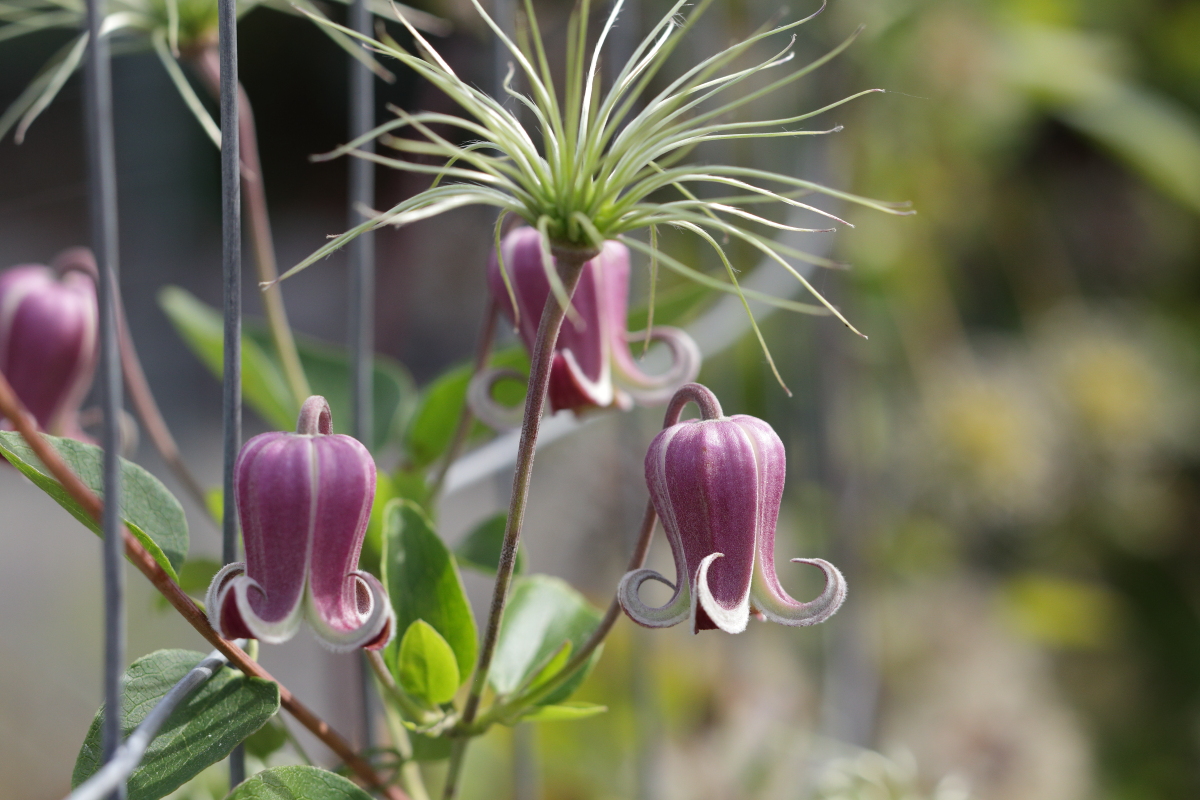
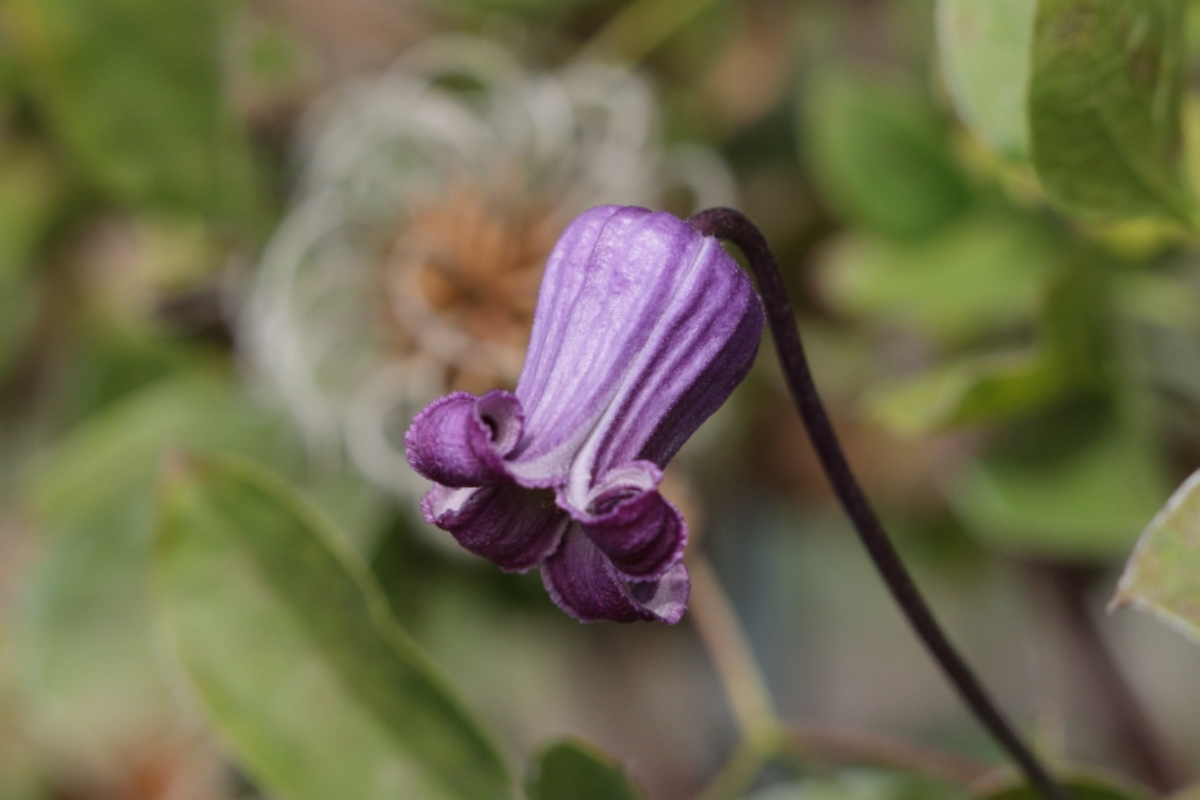
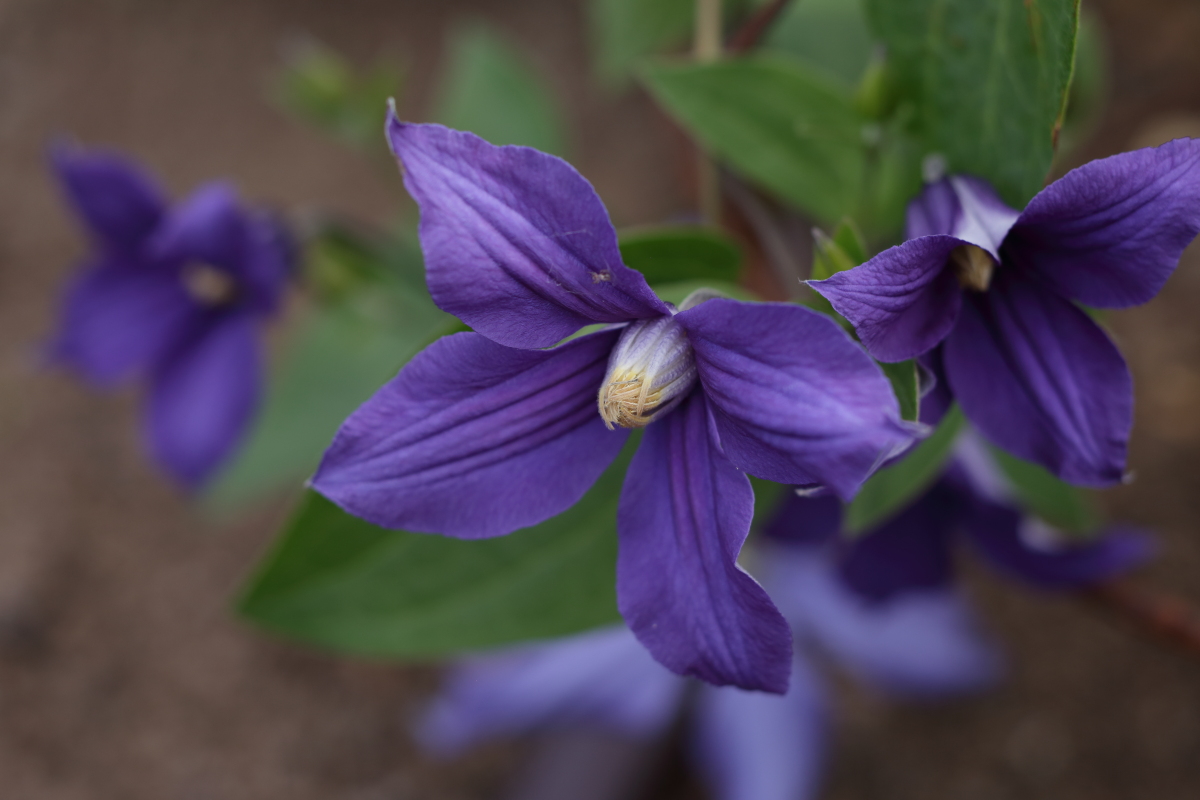
The American species in the clematis Viornae Group are pollinated by hummingbirds. These New World birds, with their long bills and tongues, have no trouble piercing the dense plug of pollen-bearing stamens (and pistols) that jam the opening of the urn-shaped blooms like those of the seedling pictured here. They easily reach the nectary chamber at the base of the filaments, and indeed, a pair of Anna’s Hummingbirds hang around the test plot, feeding on the Viornae seedlings we are evaluating. As they feed, their beaks and foreheads are liberally dusted with pollen. At Luscher Farm we are blessed with healthy populations of European honeybees, but they are completely flummoxed by this group of clematis.

The bees seem to know there is nectar in these blossoms, but there isn’t room for them to crawl up into the flower—the bees are too big, and the stamens too tightly packed. Undaunted, the bees attempted to separate the seams between the sepals, using forelegs and mouth parts to try to pry an opening to access the nectar. I watched their efforts for about 10 minutes before realizing I should be taking pictures! During the time I observed the honeybees, I didn’t see any of them succeed in opening the sepal edges, and was surprised that the bees would expend so much energy trying. A couple of rows away, native bumblebees were feasting on a Clematis macropetala seedling’s flowers (the same plant that Killdeer’s nested under a year ago), an open bell much easier to navigate in, and a flower not exploited by the hummingbirds.

Why would so many non-native bees be trying so hard to crack these clematis blooms? I did detect a slight fragrance, but there are many easier plants to drink from nearby. If these bees are ever successful at opening clematis in this nontraditional way, I’ll let you know.