‘Bee Happy’: follow-up
Earlier in the year I posted about some strange behavior seen by European honeybees on one particularly fecund seedling in the FRCC test plot. They seemed to be trying to pry sepals apart to get to the nectary chamber, formerly only accessed by hummingbirds.
They succeeded!
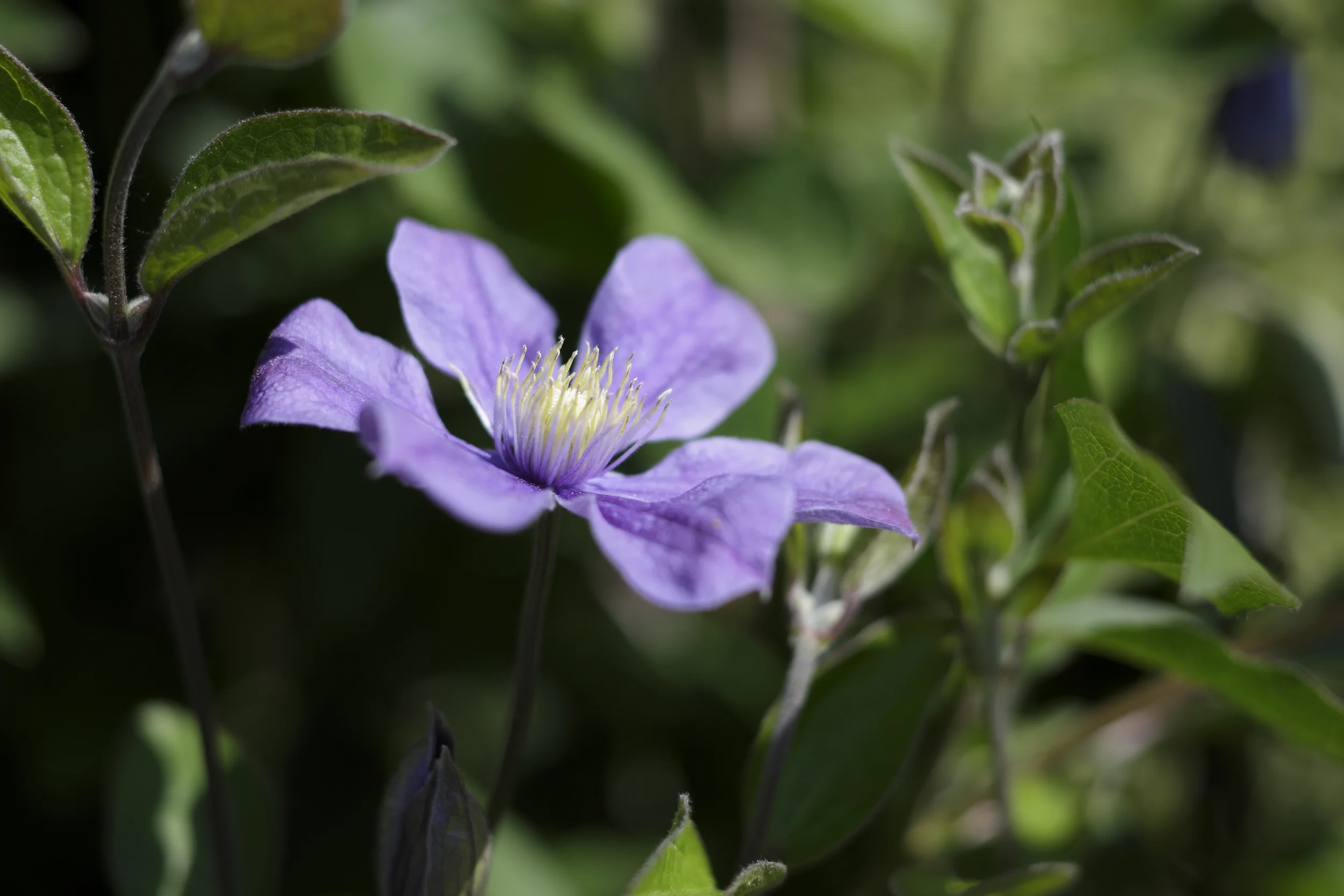
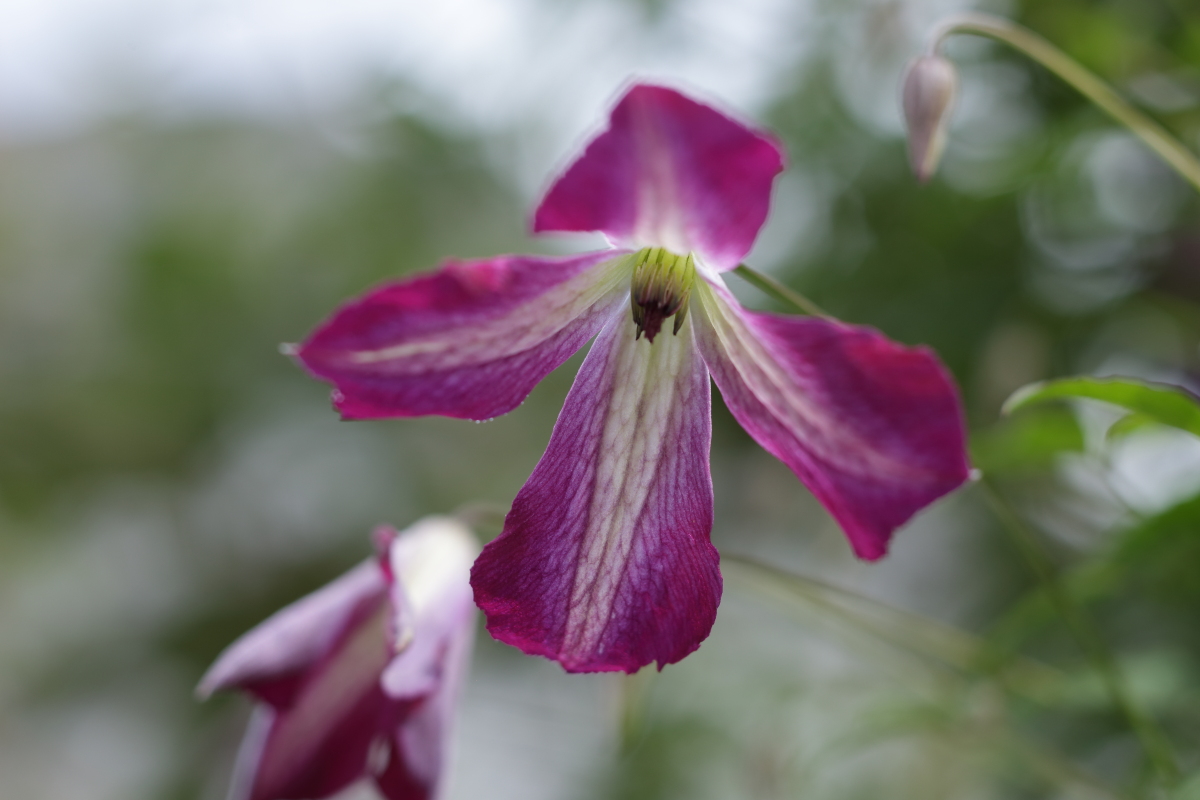
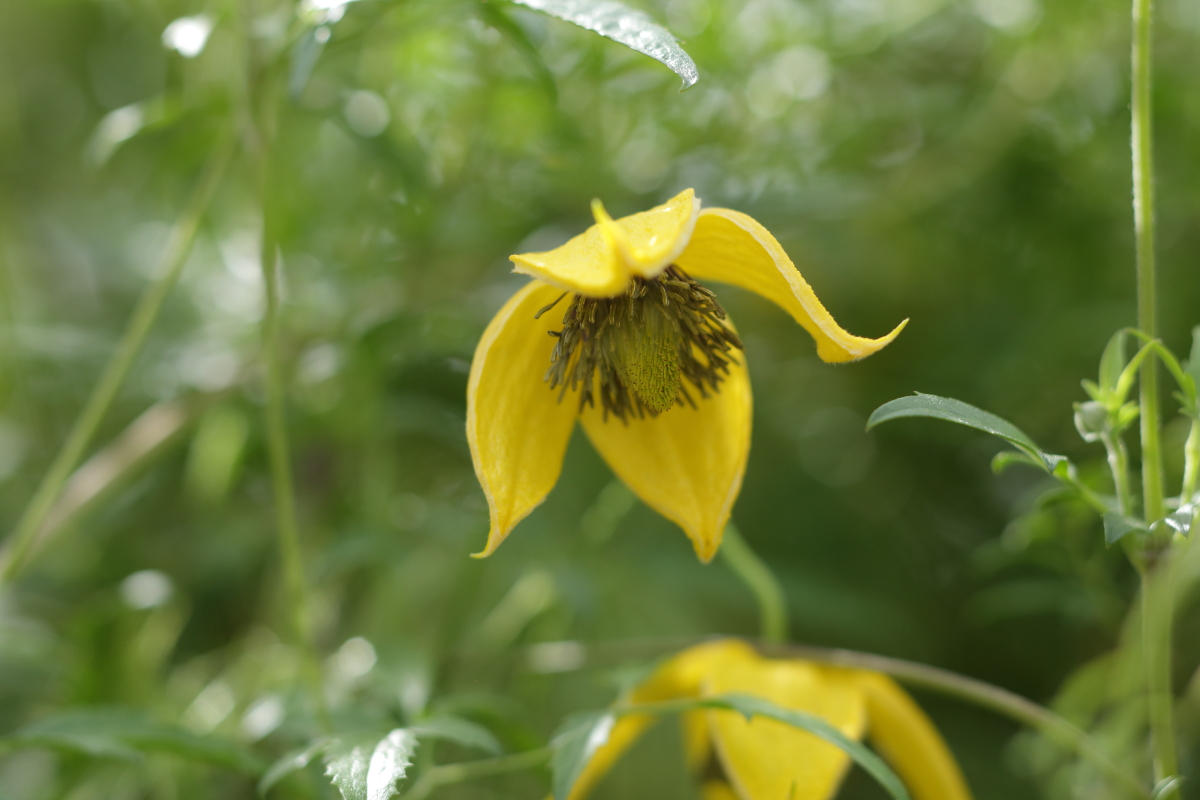
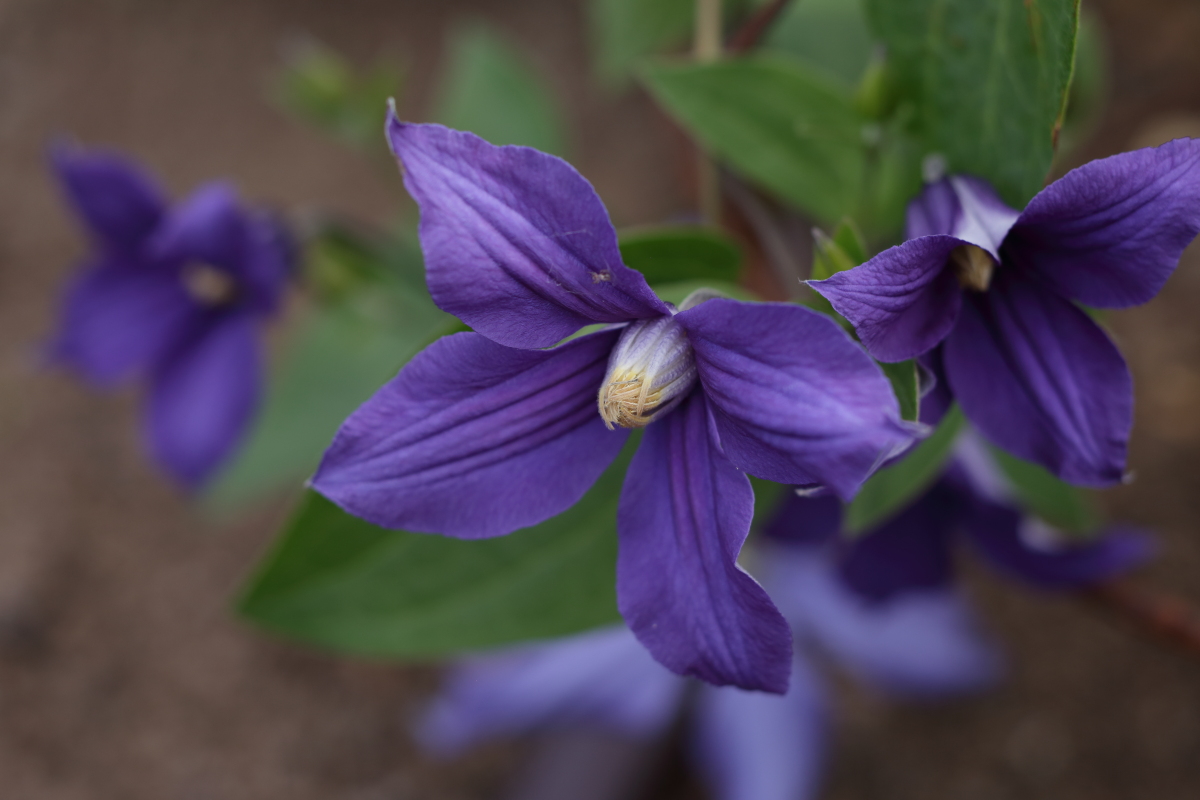
After working and working, tag-teams of the bees managed to separate the sepals at the broadest diameter of the flowers, as shown in the first picture, and get at the nectar. The opening shows the visible bruising consistent with the forcing apart of the sepals. Keep in mind that bees exploiting the blossoms this way are not pollinating the flower, because they have no contact with the anthers. Free-loaders!

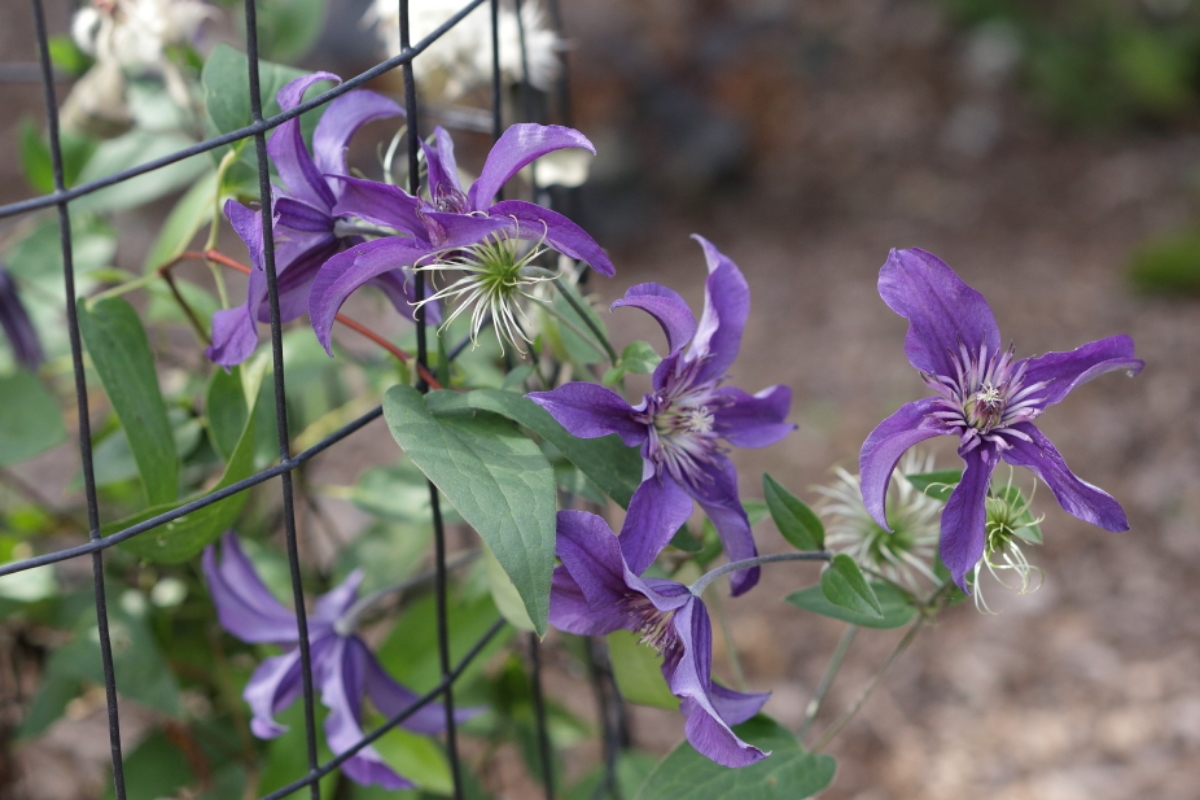
No native bees have been seen engaging in this activity, and the hummingbirds (both Anna’s and Rufous hummingbirds) continue to pollinate the flowers until the bees have cracked the sepals apart on a given flower. The hummingbirds move on to newly opened flowers, and cease pollinating the flowers disfigured by the bees. And unfortunately, once the bees mastered the skill of opening this shape of clematis blossom, they applied their lessons to ‘Fudo’ and other Viornae group hybrids. Yes, they’re quick learners, I’ll give ‘em that!

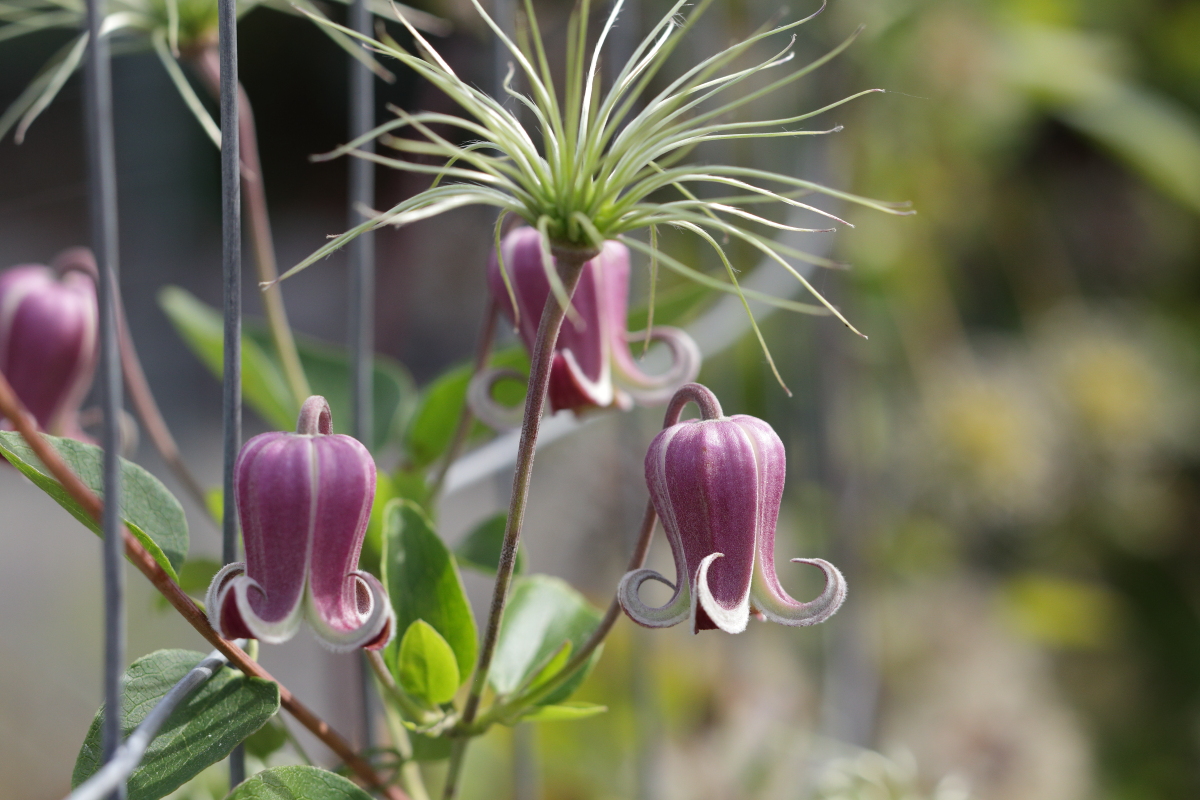
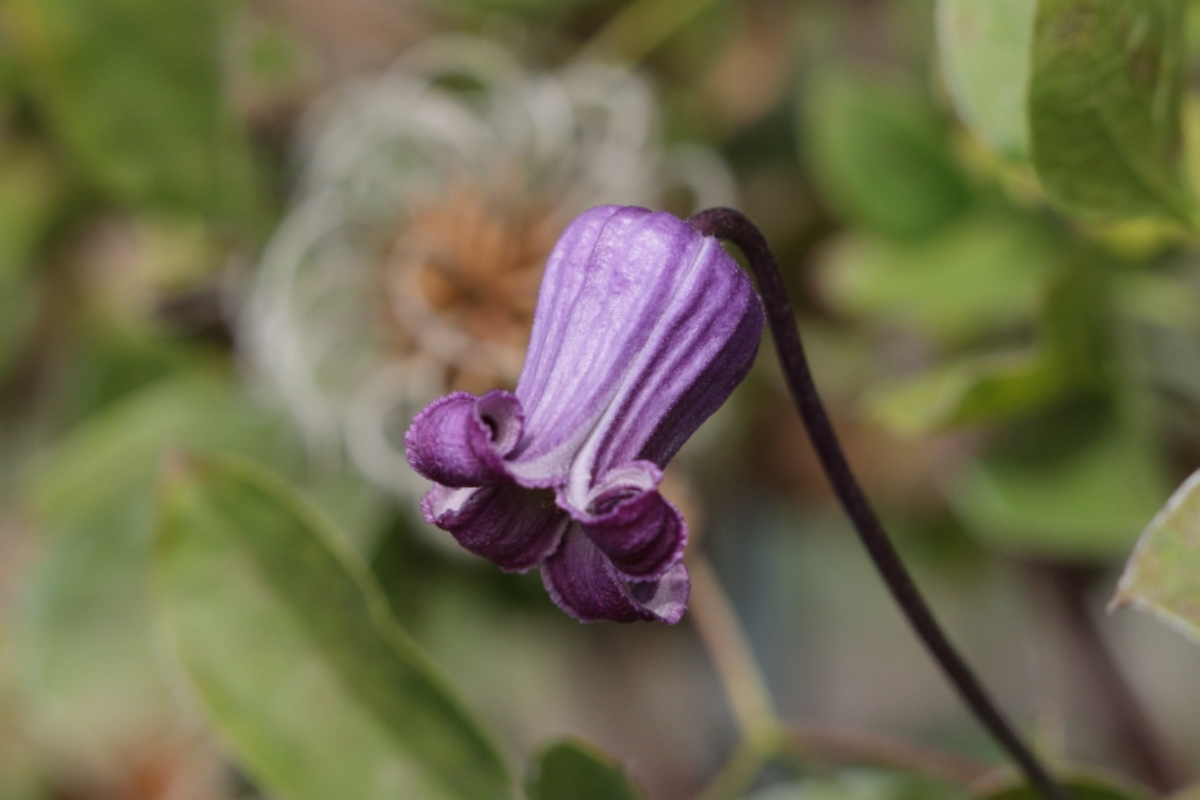
This “tutorial” seedling, which showed great vigor and stamina, has been named ‘Bee Happy’. We will be propagating it for sale. The flowers, in the typical “bonnet” shape, are rosy-mauve in color, with the exterior fading to silver as the flowers age. We assume it to be a pitcheri x crispa cross, and it is lightly fragrant, but shows no crispate edges. We’ll be sending more details to Clematis on the Web, and will be registering the name with the RHS clematis registrar.